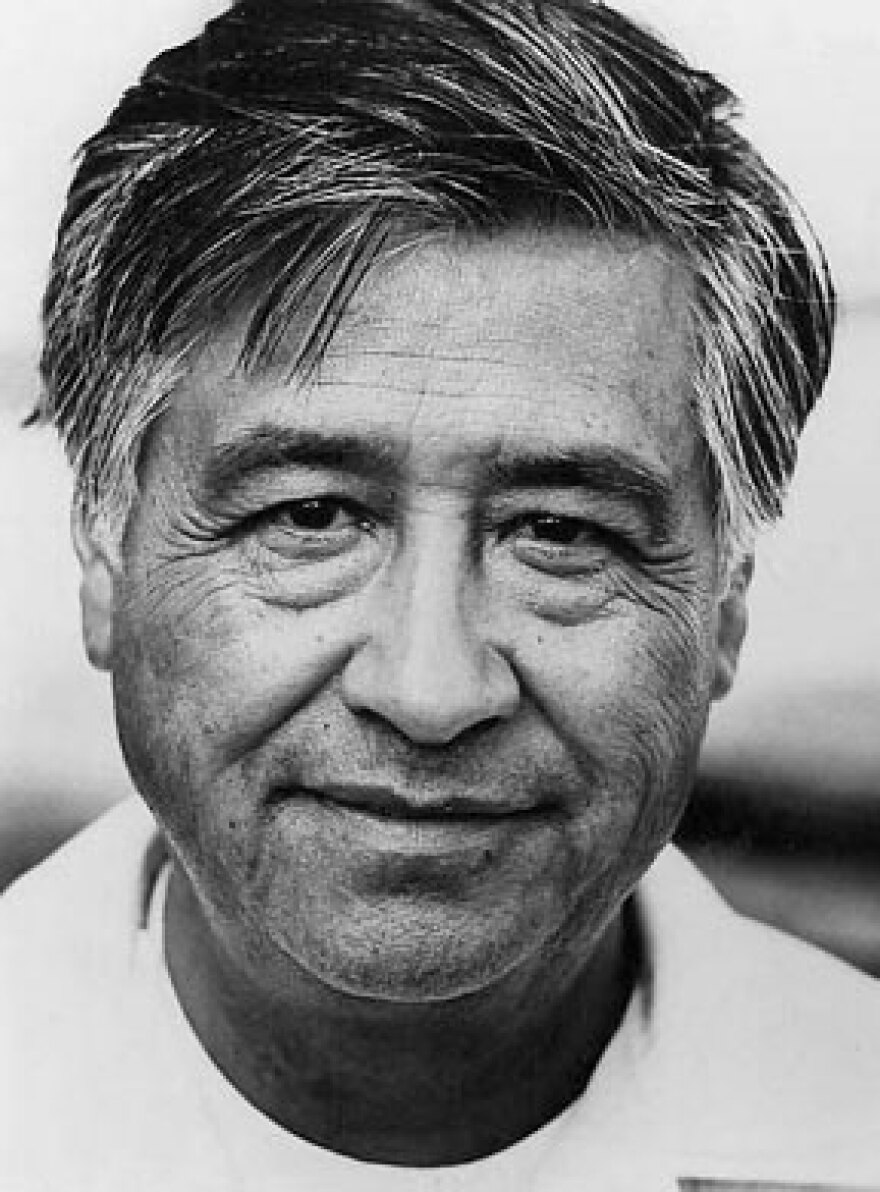
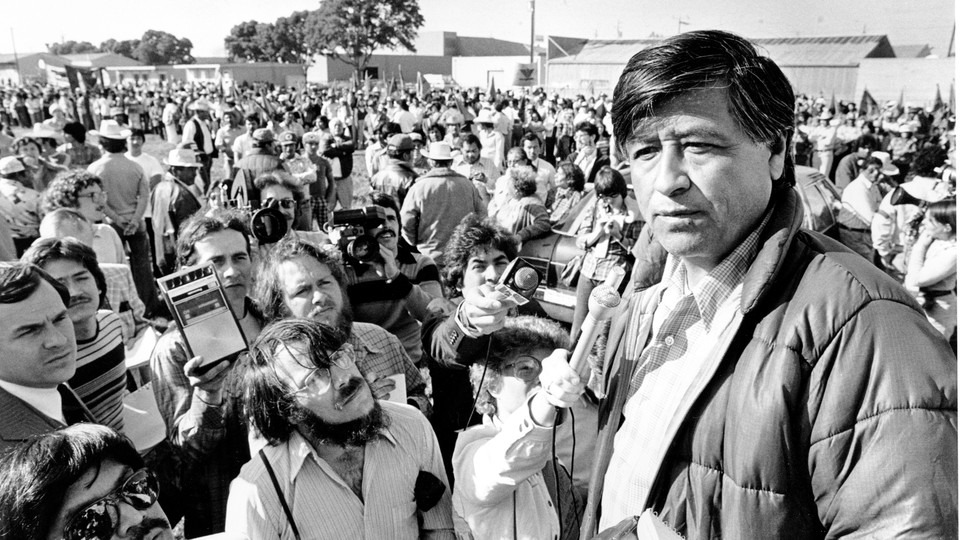
César Chávez was born on March 31 1927 in Yuma Arizona. His family lost their farm during the Great Depression, so they worked as migrant farm workers. César started working at a young age and moved frequently, which made it difficult for him to stay in school for long
After serving in the Navy during World War II, he returned home and became involved in helping his community. He saw how unfairly farm workers were treated, with long hours, low pay, and no protections, and he wanted to change this
In 1962, he helped start the National Farm Workers Association with Dolores Huerta. This group later became the United Farm Workers union. They organized peaceful protests, strikes, and boycotts to improve working conditions. One of their most famous protests was the grape boycott, which lasted for several years
César believed strongly in nonviolence. He even went on hunger strikes to support his cause. The phrase Sí se puede, meaning Yes we can, became a powerful message for many movements
He passed away in 1993, but his work continues to be honored today. Because of him, farm workers gained more rights, and he inspired many people to fight for justice.
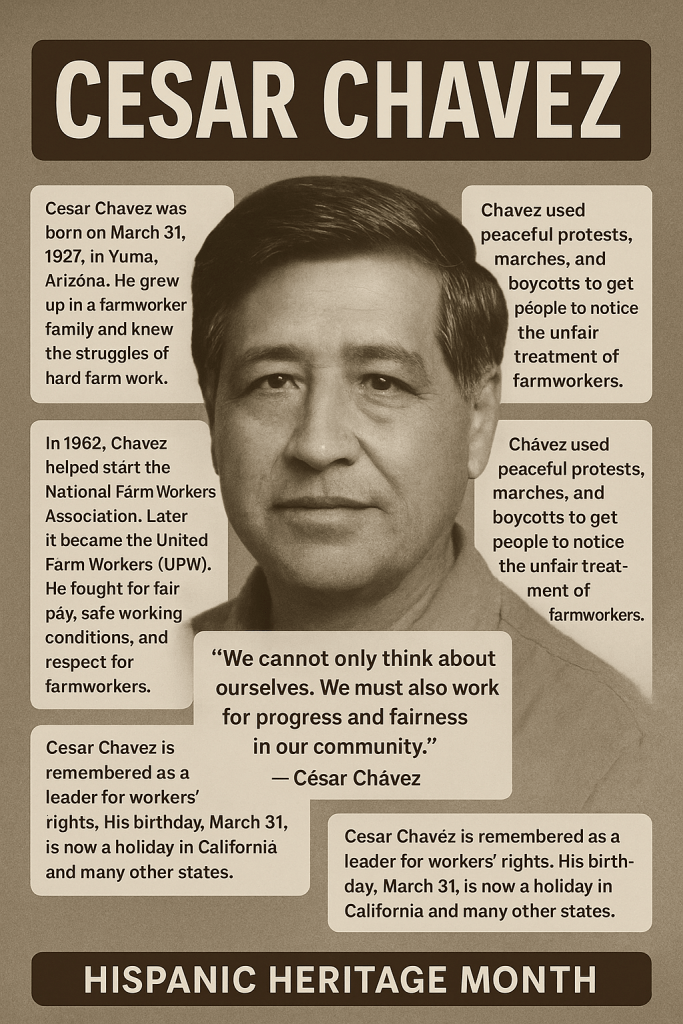
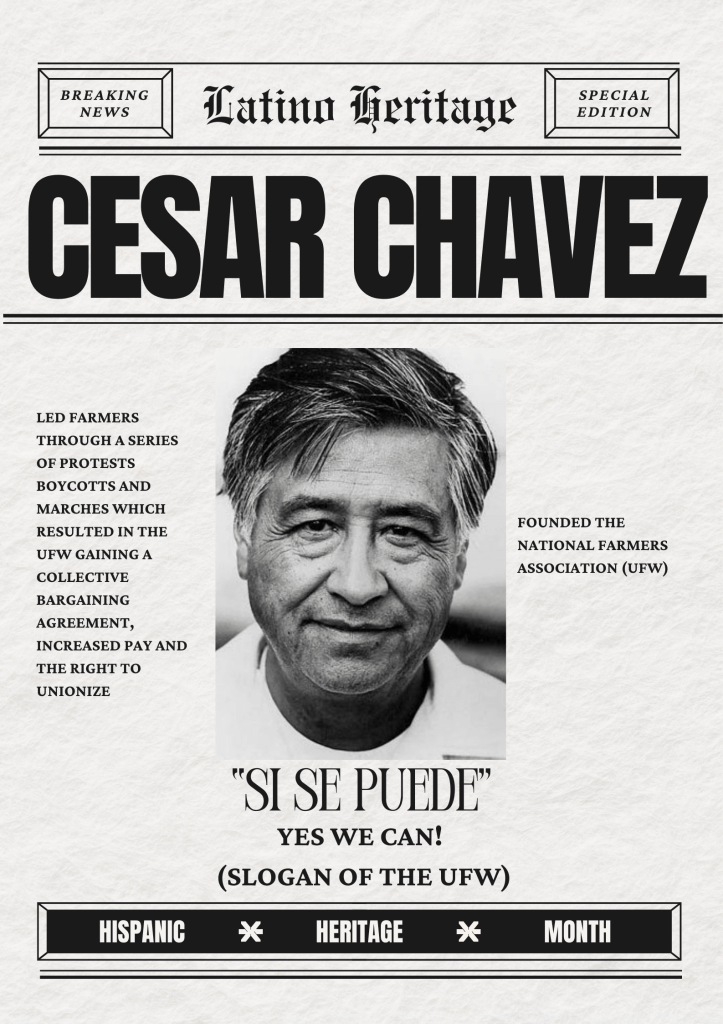
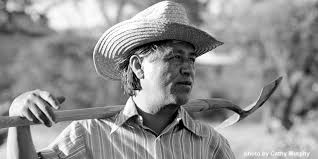
César Chávez (1927–1993) was a pivotal Mexican-American labor leader and civil rights activist celebrated during Hispanic Heritage Month for his tireless advocacy on behalf of farm workers. He is best known as the co-founder of the United Farm Workers (UFW) union, where he employed non-violent tactics—including boycotts, marches, and fasts—to fight for better wages, safer working conditions, and dignity for laborers, particularly during the landmark Delano Grape Strike and Boycott from 1965 to 1970. Chávez’s enduring legacy is captured in his famous rallying cry, “Sí Se Puede” (It Can Be Done), which continues to inspire activists today.
 Living Water Digital Museum
Leave a comment